The Best Drawing Practice for Beginners: Small Steps, Clear Feedback
Learn how beginners can practice drawing with short, focused sessions that build proportion, line confidence, and shading without overwhelm.

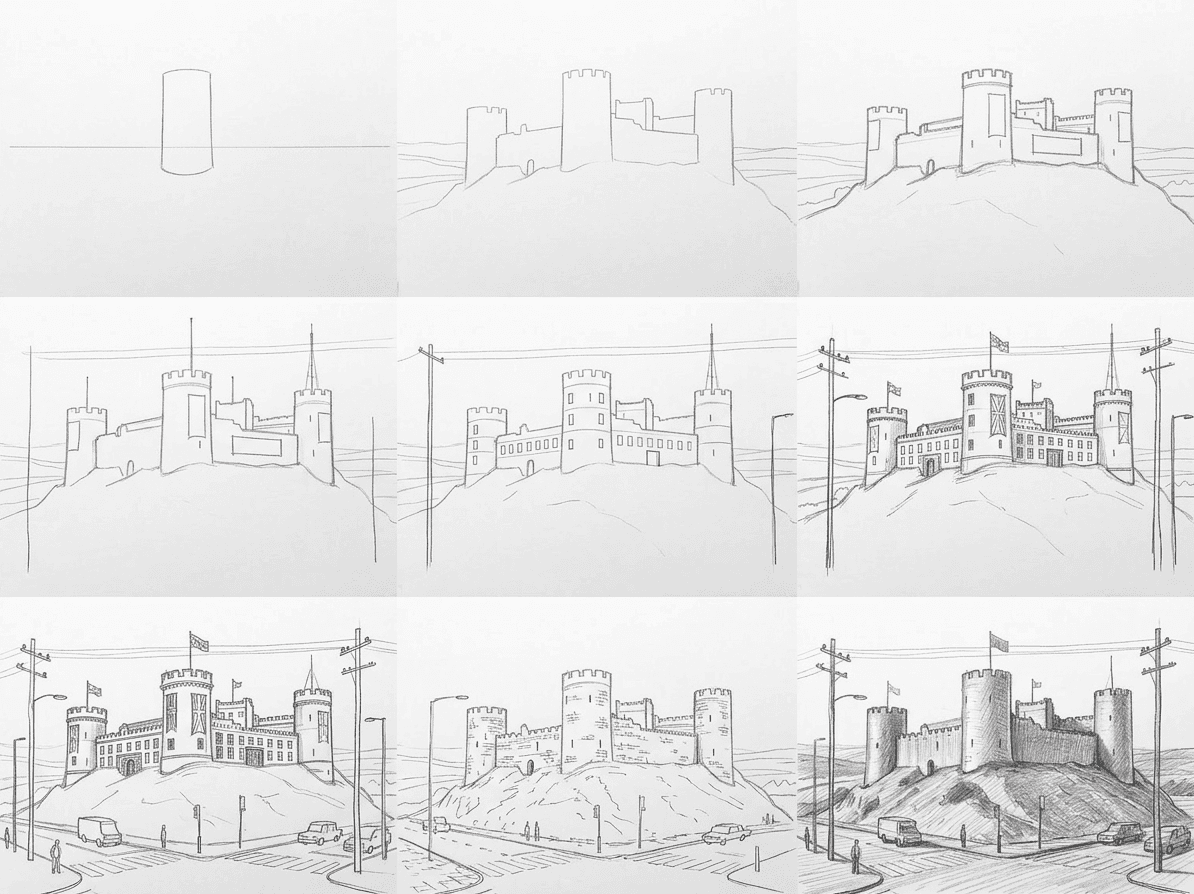
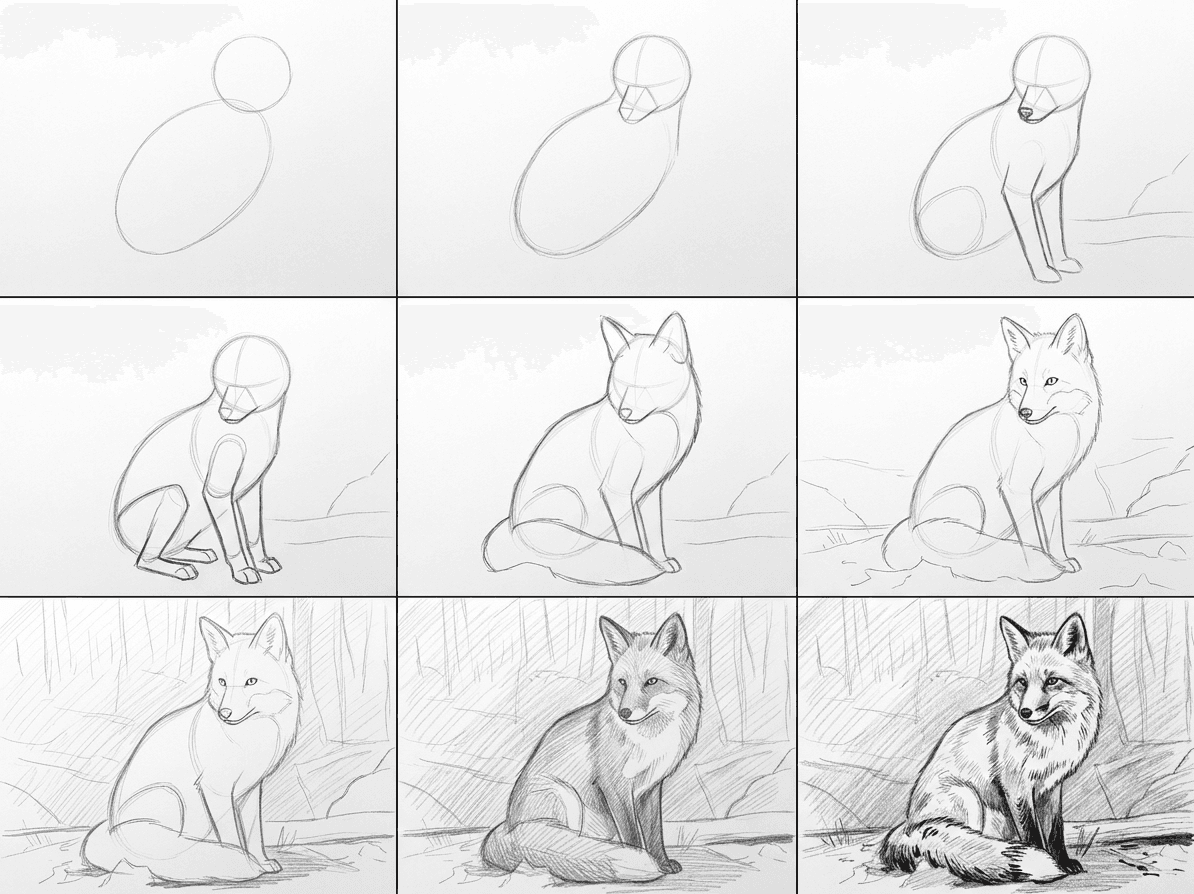
The best drawing practice for beginners is not a marathon sketch session. It is a short loop: draw one clear stage, compare it to the reference, fix one thing, then move on. That loop builds confidence faster than trying to finish a perfect drawing in one sitting.
Practice one skill per stage
If you practice line quality, proportions, shading, and texture all at once, it is hard to know what improved. Split the task. Spend one stage on placement, one on contour, one on values, and one on detail.

Use subjects you care about
Copying random objects can help, but a personal subject keeps attention high. Choose a photo that makes you want to finish: a family member, a street corner, a pet, a landscape, or an object on your desk.
- Keep sessions between 15 and 30 minutes.
- Use one photo at a time.
- Stop after each stage and compare proportions.
- Repeat the same subject style for a week before changing methods.
The goal is not to remove challenge. The goal is to make the challenge visible and manageable, so every practice session teaches one thing instead of becoming a blur of corrections.